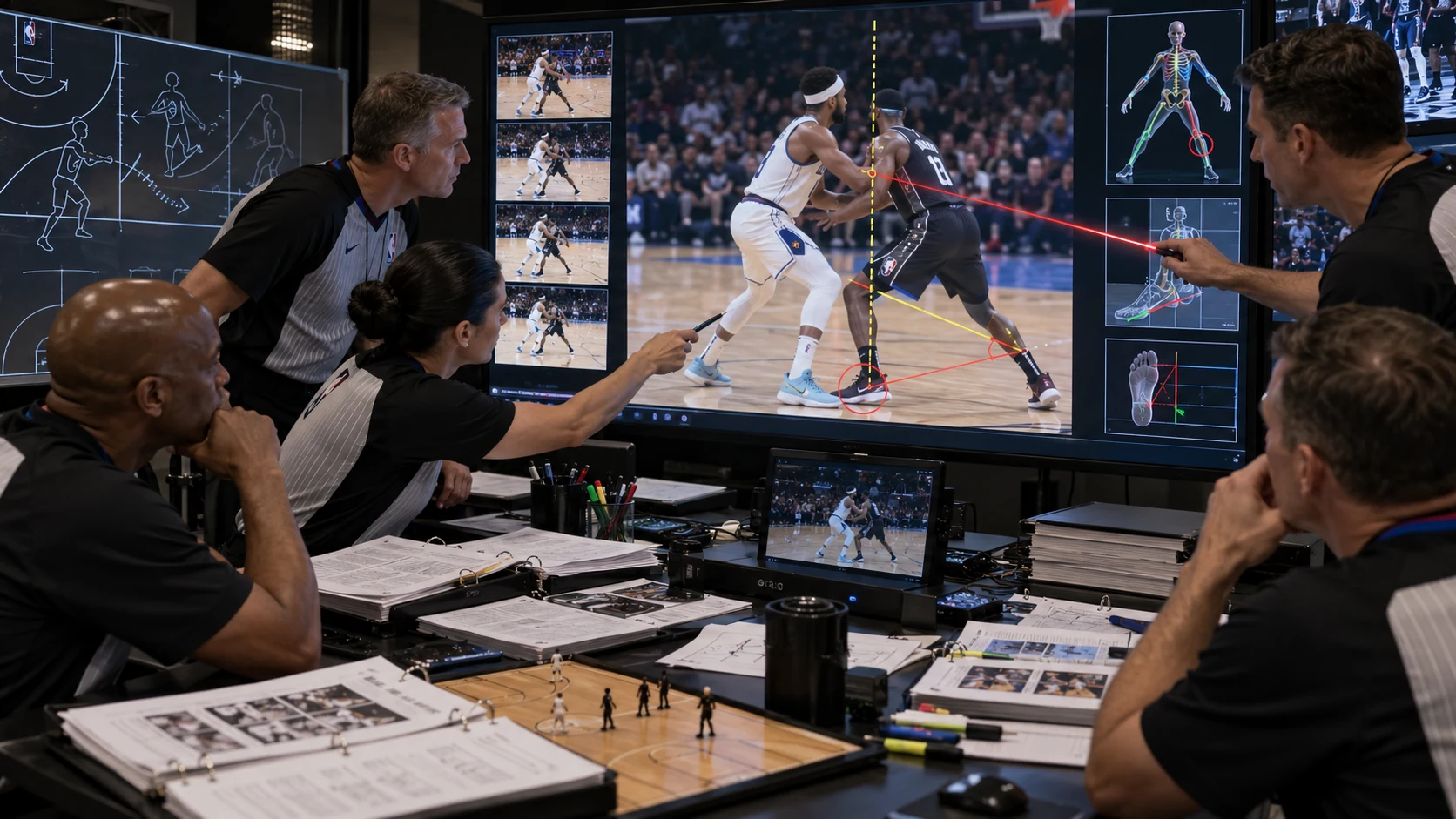
The NBA further expanded its yearly officiating education tour this week by clarifying that “freedom of movement” remains a core priority for the 2026-27 season, right up until the precise moment two large human beings become involved in a screen action and everybody loses emotional stability.
League training materials reportedly spend several minutes explaining legal screening position, holding, rerouting, hip turns, secondary contact and the difference between a defender being impeded and a defender theatrically presenting himself as impeded.
Officials described the rule as straightforward. Players may move freely, they said, provided nobody grabs, bumps, leans, clips, redirects or lightly inconveniences them with a well-timed torso. Once any of that happens, referees are expected to judge it in real time while 19,000 people instantly form opposite conclusions.
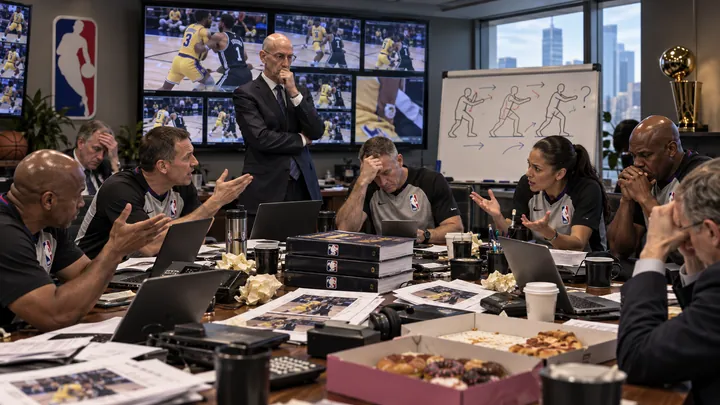
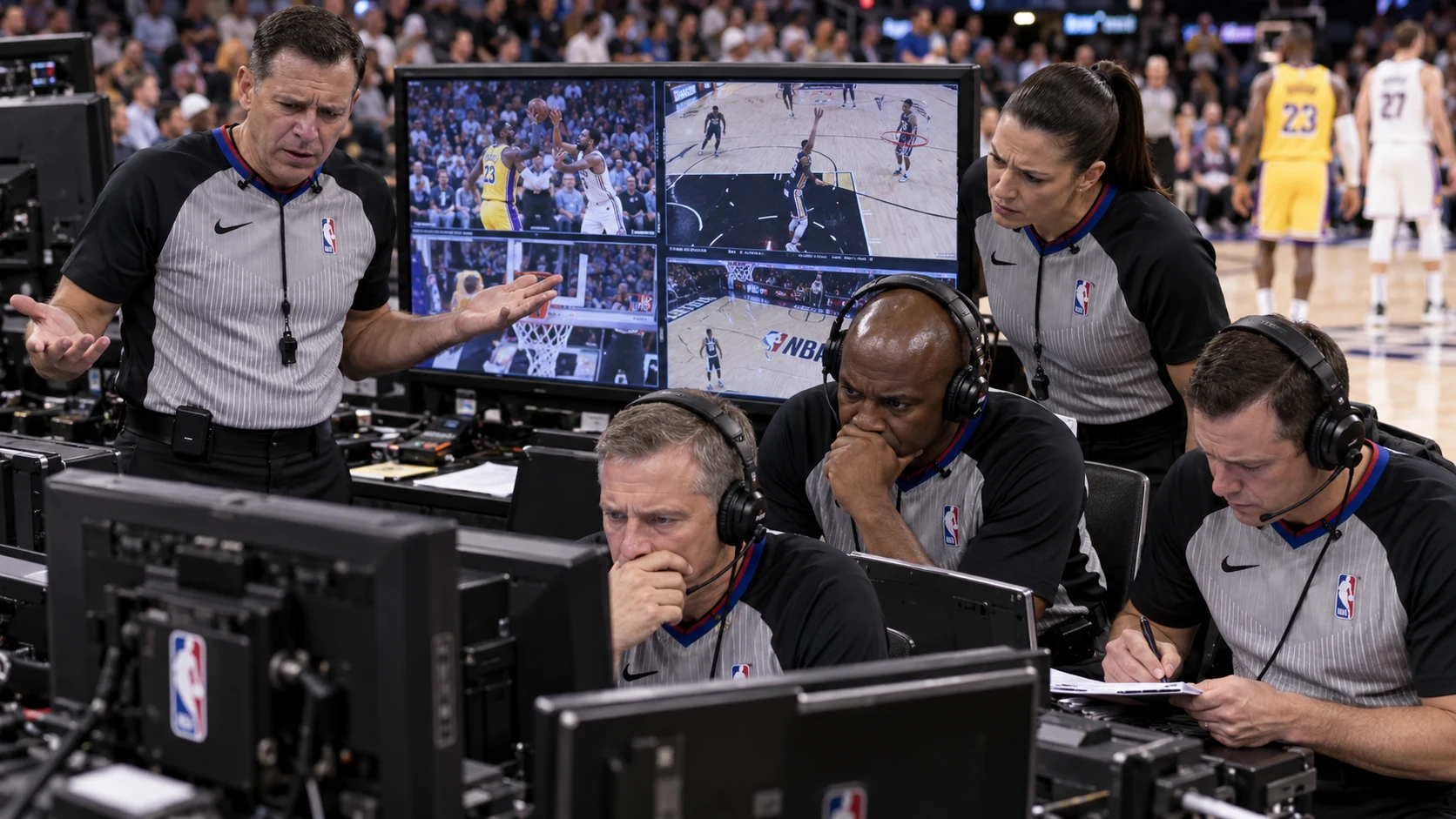
In film sessions, instructors paused and replayed screen actions frame by frame, often arriving at answers best summarized as “yes, but also no, unless viewed from this third angle.” One veteran official said the educational goal was consistency, while acknowledging that consistency in NBA screen officiating has historically been treated more as a mood than a destination.
Coaches around the league welcomed the clarification and then immediately asked whether all of it still changes in the final two minutes. They were told the spirit of the rule does not change, only the number of slow-motion replays used to make everyone angrier about it.
By Friday afternoon, the league was said to be pleased with the rollout, having once again explained a basketball rule in enough detail to make everyone slightly less certain what they are watching.