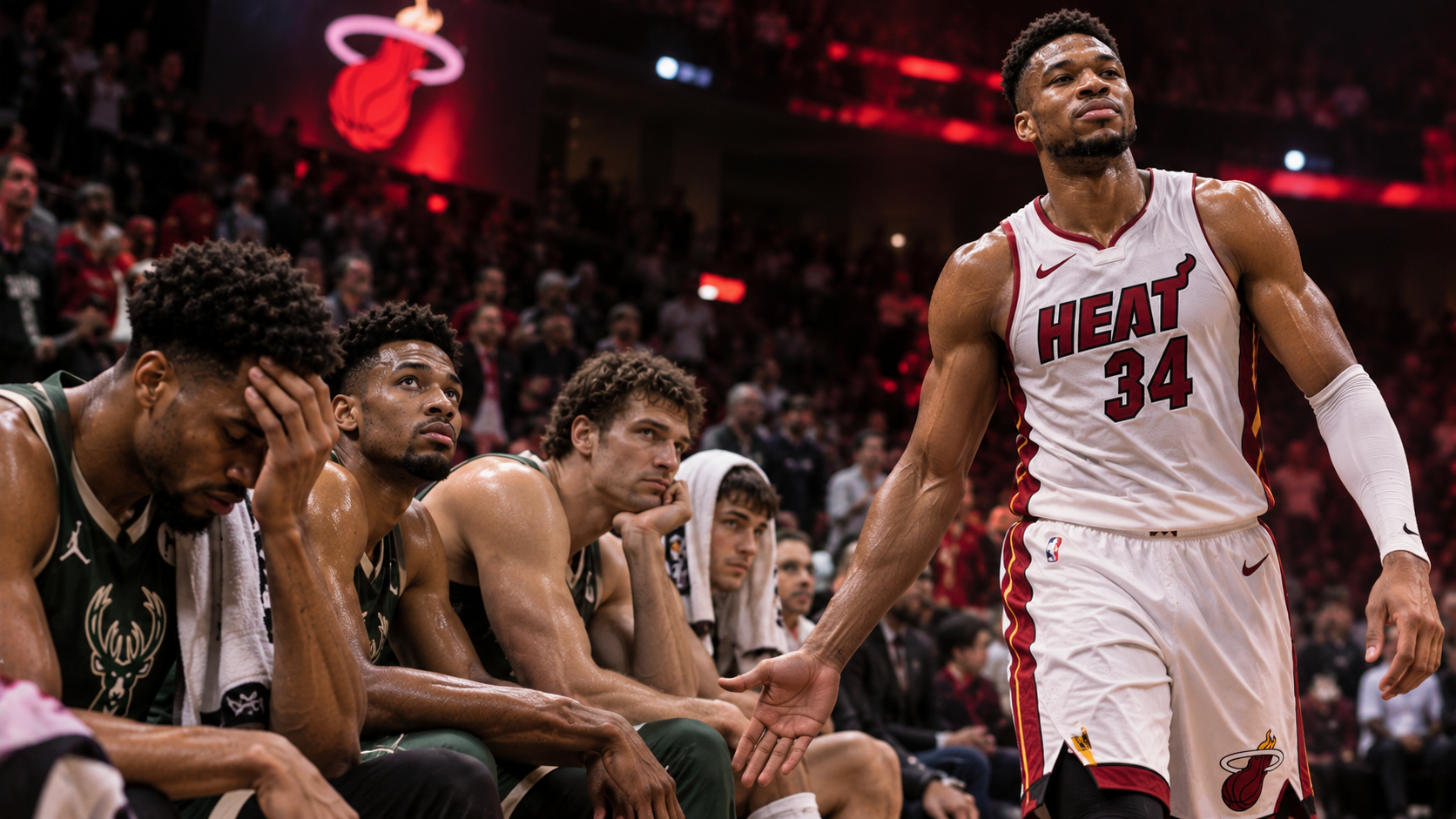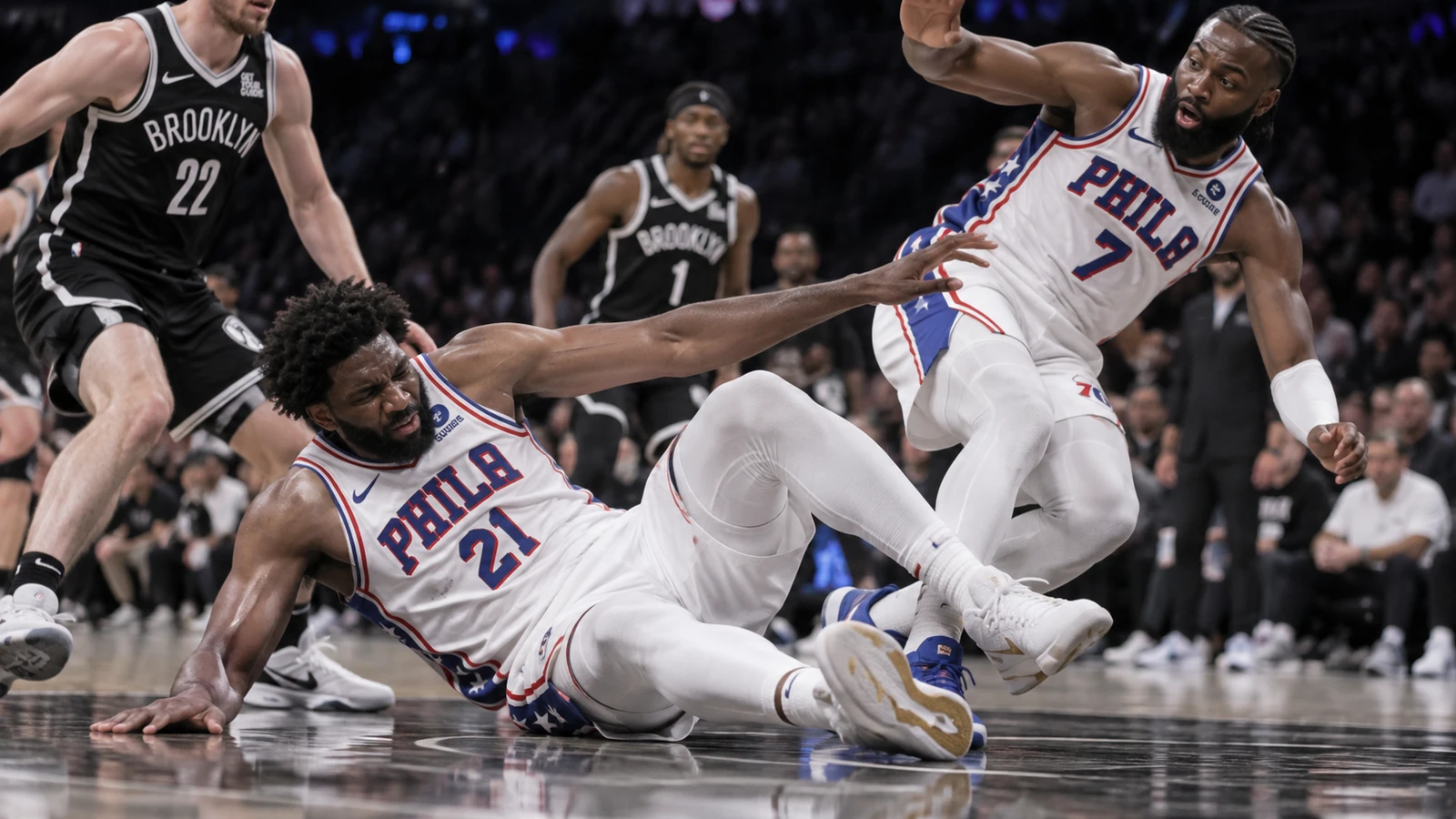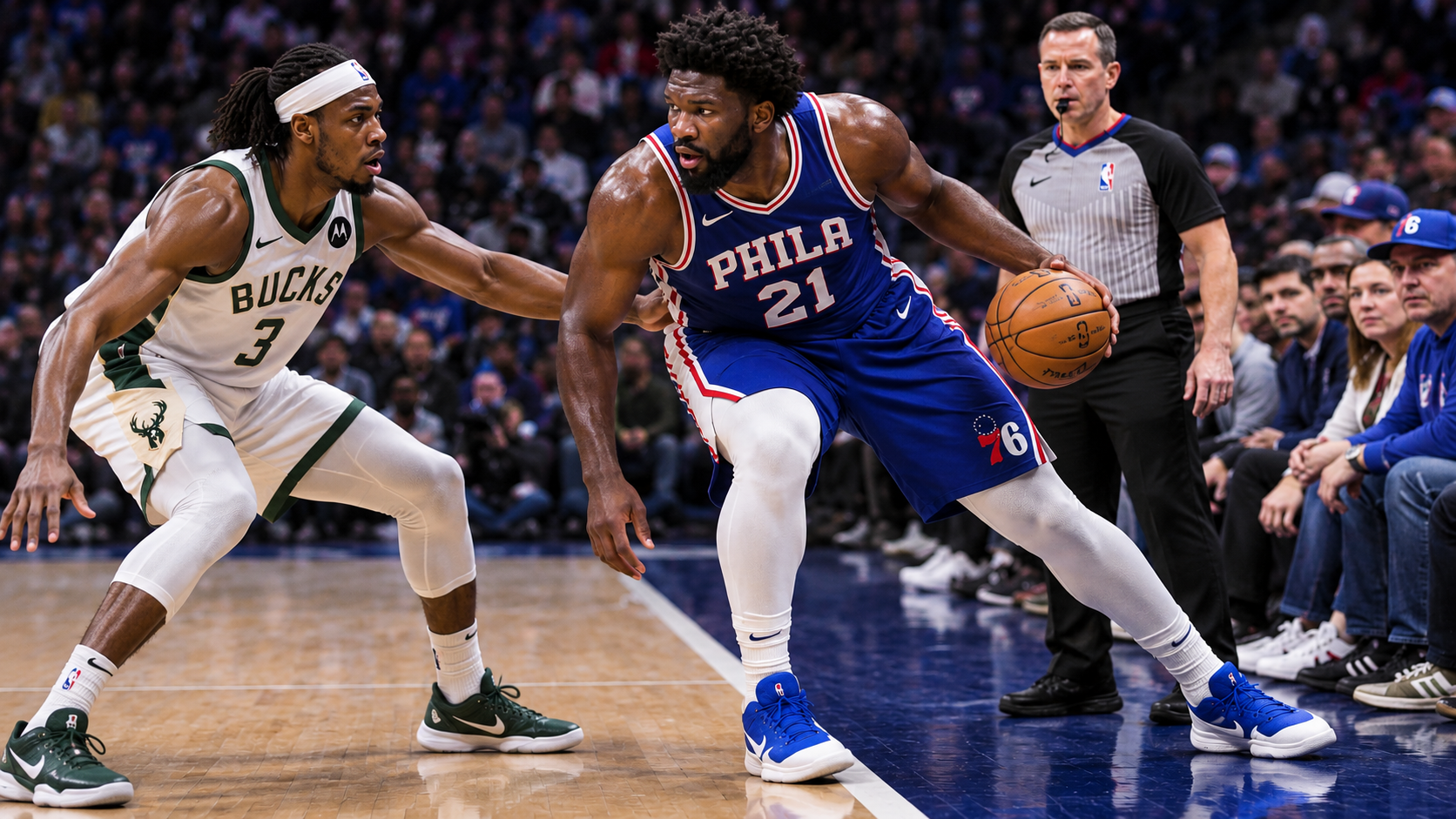
PHILADELPHIA — NBA referees reportedly unveiled a more flexible interpretation of basketball geography Saturday after allowing Joel Embiid to step beyond the sideline without interrupting Philadelphia's 132–129 victory over Milwaukee.
With the 76ers protecting a one-point lead in the closing seconds, replay showed Embiid's foot crossing the boundary before Milwaukee fouled him. Officials declined to call out of bounds, and Embiid made two free throws.
For years, players had operated under the outdated assumption that a basketball court ends where the white lines say it does.
According to fictional league officials, that interpretation was always unnecessarily restrictive.
"The court is still 94 feet long and 50 feet wide," an imaginary referee explained. "Those measurements just aren't meant to interfere with an important possession."
The revised philosophy reportedly allows officials to evaluate whether a player is out of bounds based on several factors, including momentum, competitive circumstances and how inconvenient a turnover would be.
Milwaukee, which had fought to within one point despite the considerable disadvantage of being Milwaukee, was disappointed to learn it needed not only a defensive stop but also a working understanding of geometry from the officiating crew.
Tyler Herro scored a career-high 50 points and nearly forced overtime with a final three-pointer.
That basket was correctly waved off because the ball left his hands after the buzzer.
League representatives insist there is no inconsistency.
Time, they explained, is a measurable boundary that must be respected.
Space remains under review.
The Bucks have requested clarification on whether their next game will be played on a basketball court or merely near one.