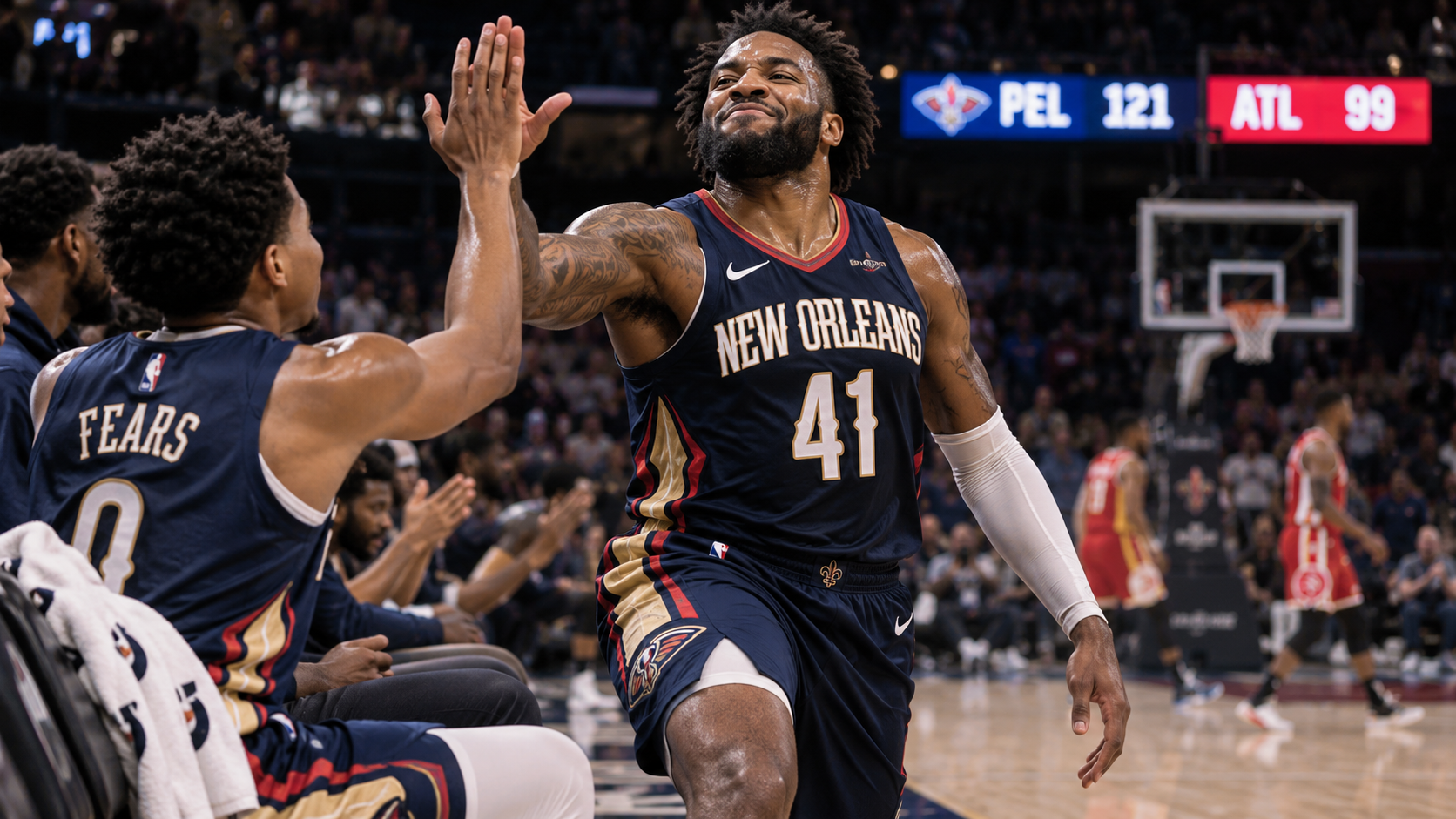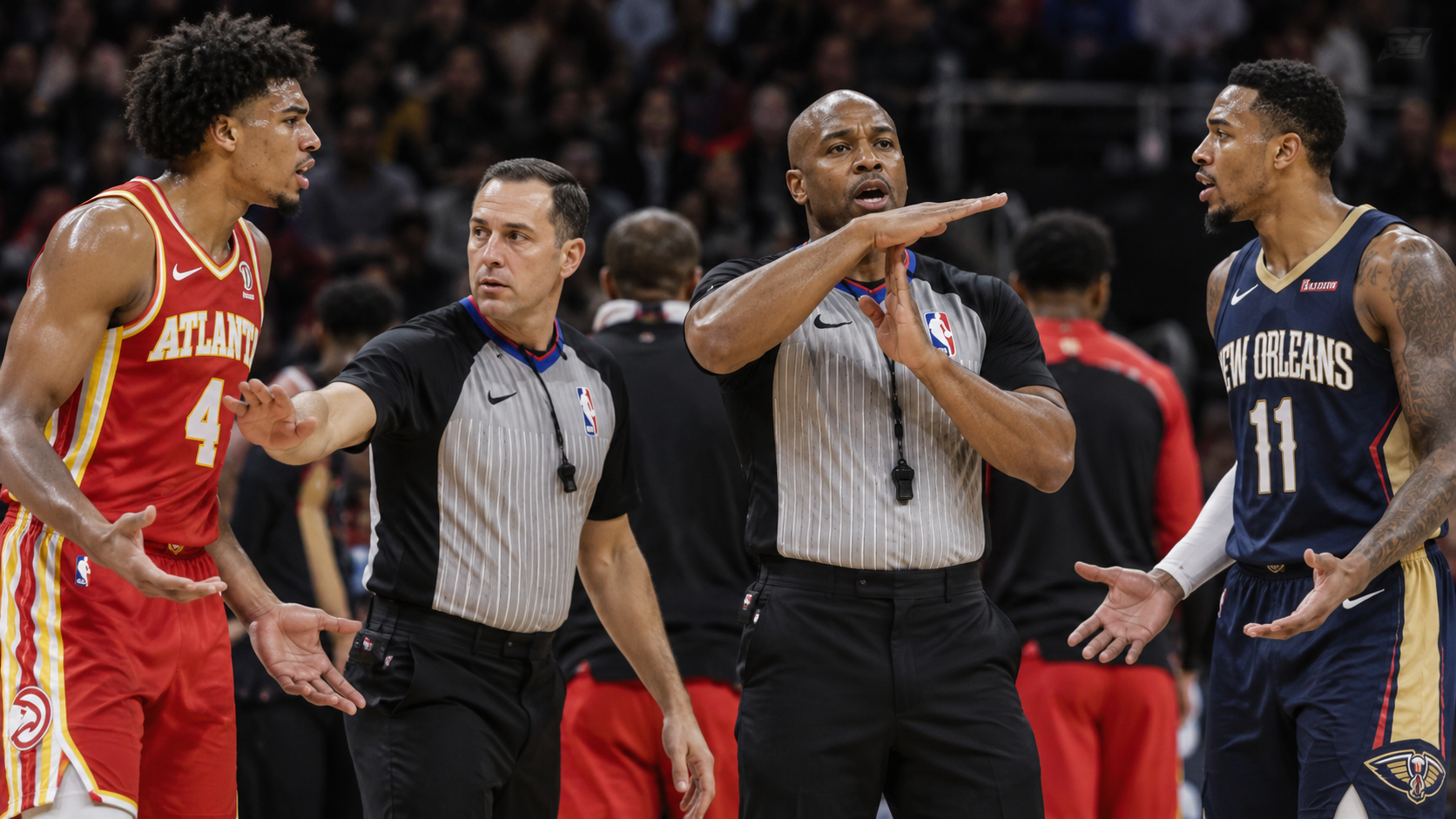
NEW ORLEANS — The Atlanta Hawks managed to turn a late-game confrontation into a surprisingly educational lesson on NBA bench rules Saturday night.
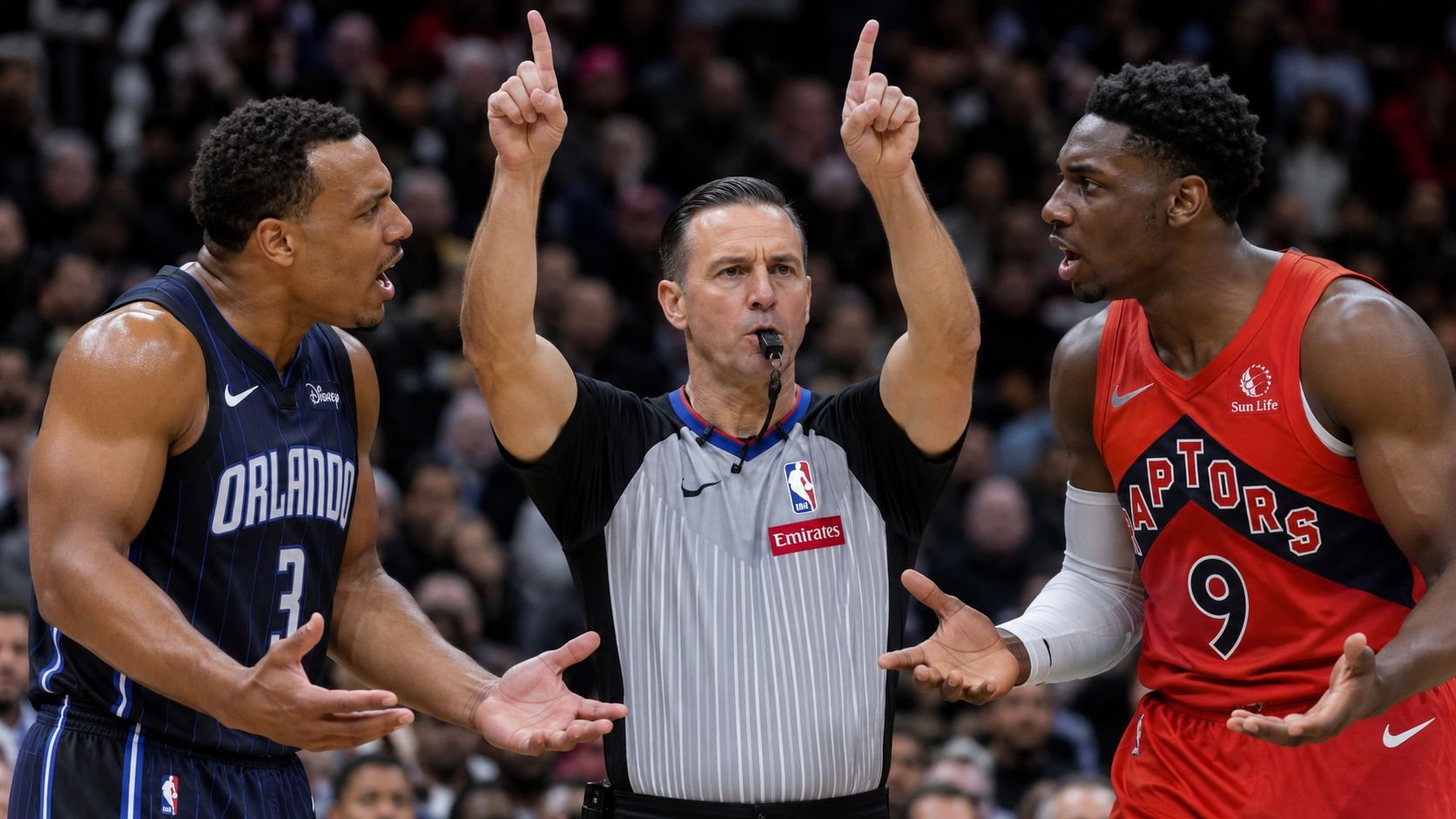
With New Orleans comfortably ahead, Hawks rookie Kingston Flemings was involved in an altercation with Bryce McGowens after the Pelicans guard blocked his layup attempt.
Flemings subsequently threw an elbow toward McGowens' face, prompting a review and his eventual ejection.
Several players moved away from their benches as the situation developed.
Normally, that detail is the sort of thing that sends officials searching for additional disciplinary decisions.
But Atlanta had called a timeout, meaning players were permitted to leave their bench areas without automatically triggering the usual consequences associated with entering an on-court altercation.
For a brief moment, the timeout became the most strategically valuable decision the Hawks made all evening.
It did not help much with the basketball.
New Orleans won 121–99, while Atlanta continued struggling to generate consistent offense.
But it did create an unusual example of the NBA's enormous rulebook producing something resembling a practical advantage.
A timeout is traditionally used to stop an opponent's scoring run, design a play or give tired players a chance to recover.
On Saturday, Atlanta demonstrated a lesser-known application: preventing one ugly moment from creating an entire second round of avoidable ejections.
The Hawks still lost by 22.
At least the paperwork could have been worse.