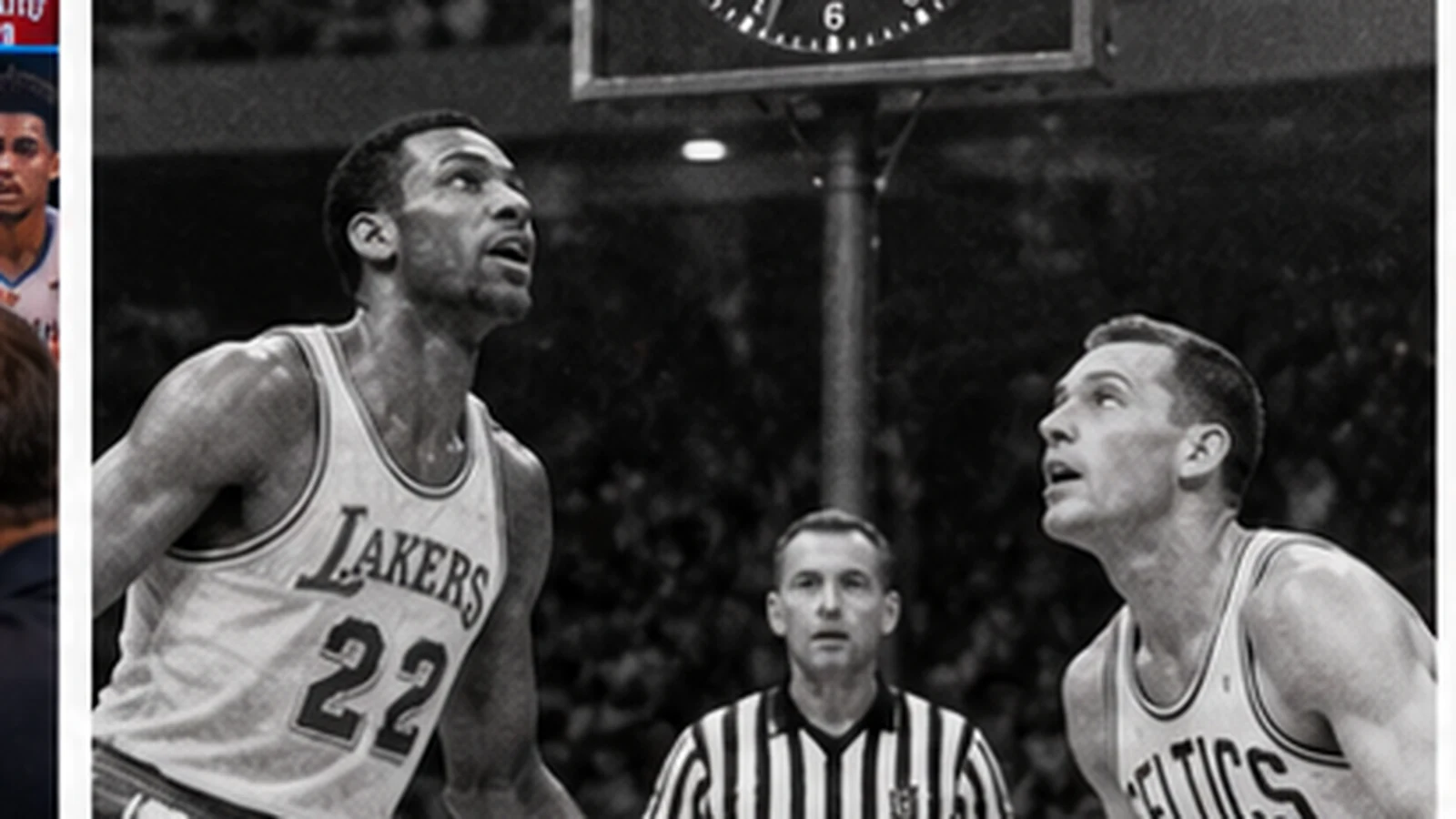
SYRACUSE — The NBA’s 1954 rollout of the 24-second shot clock was reportedly met with immediate panic from players who had only just been informed that offensive possessions would now be expected to end at some point.
League records show several teams spent the early weeks of the transition reacting as though a kitchen appliance had been mounted above the court for the sole purpose of rushing their hobbies.
“Twenty-four seconds?” one stunned player reportedly asked. “To do all of basketball?”
Before the innovation, clubs had enjoyed the strategic freedom of dribbling thoughtfully, holding the ball for ceremonial stretches and occasionally waiting long enough for everyone in the building to reconsider their life choices.
Coaches warned that the new system would force players into reckless behavior such as moving with urgency, attempting shots and acknowledging that the game should contain events.
The league, meanwhile, argued the change might improve pace, entertainment and the general willingness of spectators to remain conscious through all four quarters.
Traditionalists were unconvinced. Some insisted the clock represented an attack on craftsmanship, patience and the beautiful possibility of a 19–18 final score that took two and a half hours to achieve.
History would eventually prove the rule successful, though not before an entire generation spent several months glancing upward in disbelief and shooting because society had apparently left them no choice.