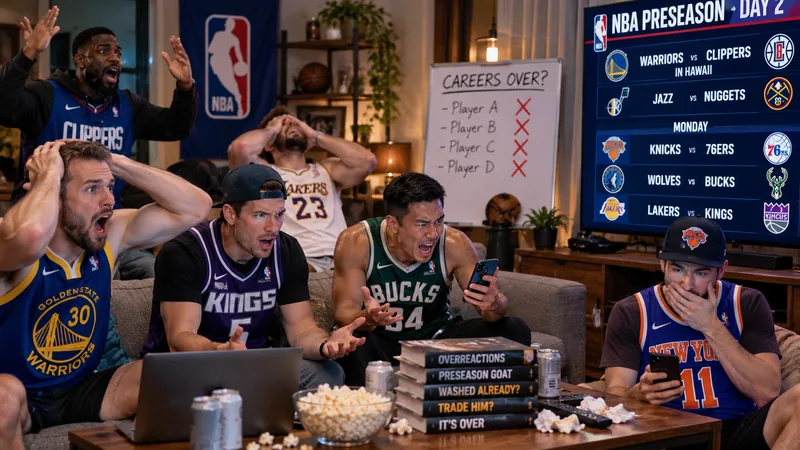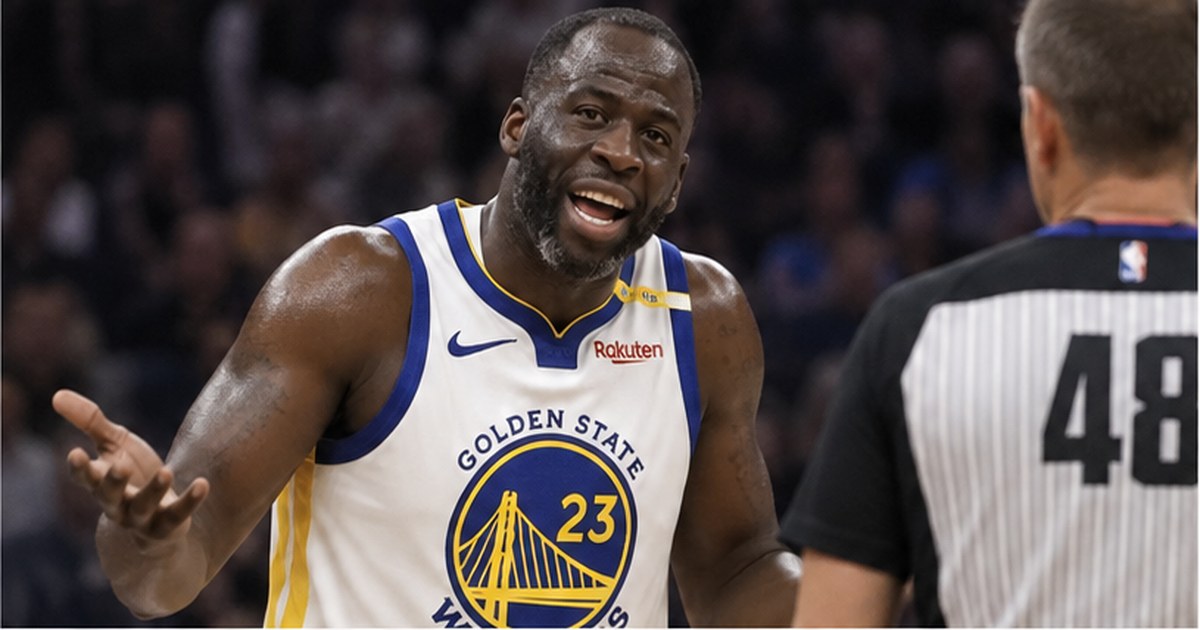
CHICAGO — Despite being shown two NBA players with nearly identical production, efficiency, impact metrics, and team success, local basketball fan Marcus Doyle reportedly settled the debate Tuesday by posting, “Not even close.”
“Honestly, if you have to ask, you don’t know ball,” said Doyle, 27, after reviewing a graphic showing Player A averaging 29.4 points, 8.1 rebounds, and 7.3 assists, compared with Player B’s 29.1, 8.0, and 7.1.
According to witnesses, the discussion remained civil until another user suggested the comparison was “pretty close,” prompting Doyle to step in.
“It’s not close,” he wrote.
When confronted with nearly identical box-score numbers, Doyle explained that “stats don’t tell the whole story.” Asked what did, he cited “eye test,” “aura,” “watch the games,” and one 17-second highlight clip from February.
Sources said Doyle became increasingly confident as evidence against him accumulated. He dismissed efficiency as “nerd stuff,” wins as “a team stat,” and advanced metrics as “made-up numbers.”
Researchers later confirmed every statistic was considered essential when it favored Doyle’s preferred player and meaningless when it did not.
“The process is simple,” said sports analyst Eli Mercer. “You pick your guy first, then work backward until the argument supports him.”
Within 20 minutes, Doyle’s post had received thousands of likes and hundreds of replies, including “casual,” “nephew,” and “delete your account.”
Friends said Doyle regularly uses “not even close” to describe situations that are, by all available evidence, extremely close.
“He doesn’t really believe in margins,” said one friend. “Everything is either obvious or fraudulent.”
By late afternoon, Doyle announced he was “done arguing with casuals.”
Seven minutes later, he posted 14 more replies.